When Emotions Take Over, Don’t Let Them Take You Away From Yourself

Emotional imbalance does not always come from emotional turbulence.

Sometimes, it comes from being emotionally overwhelmed—even by positive emotions.

In both situations, we can temporarily lose touch with ourselves.

We may forget our patterns, our strengths, our talents, and even our past experiences. For a few moments, the situation feels bigger than our ability to handle it.

The first thing to do is simple: stay calm for a few minutes.
Don’t react immediately when your emotions are taking over.

  • Give yourself some space to breathe, pause, and settle down.
  • Once you are calmer, try to regain some emotional and cognitive balance.
  • A balanced mind can see possibilities that an overwhelmed mind cannot.

Then ask yourself, “What are the possible ways I can sort this out?”

Because sometimes, the problem itself carries a clue to its solution.

The problem may be pointing towards a pattern that needs to change, a choice that needs to be made, or a perspective that needs to shift.

In that sense, the problem is not always just an obstacle; sometimes, it is also the key.

When we think deeply and calmly, our thinking can reorganize and become more flexible.

This is where our brain’s natural capacity to adapt and learn can support us.

And remember, you don’t have to solve everything by yourself.

If you cannot find a way forward with your own abilities, seek support from an expert.

Sometimes, another person simply sees what we could not see because we were too close to the situation.

Until that point, there is much within our hands: calm down, regain balance, and think.

And if nothing works, that’s okay—sometimes a fresh pair of eyes is all we need to find our way again.


In Love & Gratitude, Rakesh Babu | www.shreshtaminds.com

From Capacities to Capabilities

What we have is potential. What we do with it is capability.

There was a young man who was often told, “You have great potential.”

He was intelligent. He learnt quickly. He had ideas others admired. He could see possibilities that many people missed.

But there was one problem.

Years passed, and very little changed.

His ideas remained ideas.
His knowledge remained knowledge.
His talent remained largely unused.

One day, someone who knew him well asked a simple question:

“You have so much. But what are you doing with what you have?”

The question stayed with him.

Because perhaps, for the first time, he realised something uncomfortable:

Having potential and using potential are not the same thing.

Capacity is not capability

All of us are born with capacities.

The capacity to learn.
The capacity to think.
The capacity to feel.
The capacity to create.
The capacity to adapt.
The capacity to love.
The capacity to lead.

Some of us may have more capacity in certain areas than others.

But capacity, by itself, is only possibility.

A person may have the capacity to communicate but struggle to have a meaningful conversation.

A person may have the capacity to lead but struggle to understand people.

A person may have the capacity to love but not know how to express it.

A person may have the capacity to learn but never apply what they learn.

A person may have the capacity to dream but never take the first step.

That is where capability begins.

Capacity is what we possess.
Capability is what we develop from what we possess.

The gap between “I can” and “I can do”

Think about a child learning to ride a bicycle.

The child may have the physical capacity to ride.

But capacity does not automatically produce balance.

The child falls.

Tries again.

Falls again.

Adjusts.

Practices.

Learns.

Eventually, something changes.

What was once only a possibility becomes an ability that can actually be used.

That is capability.

The same thing happens throughout life.

We don’t become capable merely because we have potential.

We become capable when potential meets practice, awareness, experience and action.

The psychology behind capability

There is a deeper psychological shift here.

Capability is not simply about knowing what to do.

It is about being able to translate what we know into action—especially when reality becomes difficult.

Someone may know how to communicate and still avoid a difficult conversation.

Someone may understand emotional regulation and still lose control when anger takes over.

Someone may know how to lead and become defensive when challenged.

Someone may know exactly what they should do and still hesitate because of fear, uncertainty or self-doubt.

This is why capability involves more than knowledge.

It involves agency—the willingness to act.

It involves self-belief—the growing sense that “I can handle this”.

It involves practice—the repeated experience of trying, failing, adjusting and trying again.

And it involves adaptability—the ability to change our response when the situation changes.

In that sense:

Capability is potential that remains available when reality becomes difficult.

Anyone can appear capable when everything is going according to plan.

The real test comes when the plan fails.

When someone disagrees.

When we are criticised.

When emotions are high.

When the outcome is uncertain.

A person may have the capacity for patience.

Capability is being patient when provoked.

A person may have the capacity for empathy.

Capability is remaining curious when someone hurts us.

A person may have the capacity for leadership.

Capability is leading when others are anxious.

That is where psychology meets potential.

We sometimes confuse knowing with becoming

This happens everywhere.

We attend courses.
We read books.
We listen to podcasts.
We watch inspiring videos.
We collect certificates.
We acquire information.

And we feel that we are growing.

But information is not transformation.

Knowing how to communicate is different from communicating with sensitivity.

Knowing about emotional regulation is different from regulating ourselves when we are angry.

Knowing about leadership is different from remaining calm when people disagree with us.

Knowing about relationships is different from becoming a better partner.

Knowledge can increase our capacity.

Practice turns capacity into capability.

And repeated practice does something even deeper.

It gradually changes our confidence in ourselves.

Every time we face something difficult, respond a little better, learn from it and try again, we build evidence:

“I can handle this.”

That is how capability becomes more reliable.

Eventually, we stop merely saying, “I am trying to become better at this.”

We begin to experience the following:

“This is who I am becoming.”

Capability slowly becomes part of identity.

But there is another question

Even capability is not the destination.

Imagine someone who becomes extremely capable.

They can build businesses.
They can influence people.
They can solve complex problems.
They can achieve impressive goals.

But then comes a deeper question:

For what purpose?

Because capability without direction can make us efficient—but not necessarily meaningful.

We can become very good at climbing the ladder and still discover that it was leaning against the wrong wall.

This is where purpose enters the journey.

Capacity gives us possibility.
Capability gives us effectiveness.
Purpose gives us direction.

And when capability is aligned with purpose, something beautiful happens.

Our abilities begin to become useful not only to us but also to others.

From potential to contribution

Perhaps this is the real journey of human development.

Not merely.

“How much do I have?”

But:

“What can I do with what I have?”

And eventually:

“Who can benefit from what I have developed?”

Your intelligence can become a solution.

Your experience can become guidance.

Your pain can become empathy.

Your learning can become wisdom.

Your leadership can become service.

Your success can create opportunities for others.

Your life experiences can become a source of strength for someone who is still struggling.

This is where capability becomes contribution.

And contribution gives potential a deeper meaning.

Perhaps we are asking the wrong question

We often ask children:

“What are you good at?”

We ask young people:

“What career do you want?”

We ask professionals:

“What skills do you have?”

All these questions are useful.

But perhaps we need another question:

“What are you becoming capable of doing with what you already have?”

Because life is not simply about discovering our capacities.

It is about cultivating them, directing them and using them consciously.

The greatest tragedy may not be that a person lacks potential.

It may be that they spend a lifetime without discovering what their potential could have become.

From Capacities to Capabilities

So perhaps the journey looks something like this:

Capacity — I have the potential.

Awareness — I recognise what I have.

Practice — I consciously develop it.

Capability — I can use it effectively, even when circumstances are difficult.

Adaptability — I can change how I use it when circumstances change.

Purpose — I know why I want to use it.

Contribution — Others benefit from how I use it.

That is when potential becomes meaningful.

Because ultimately, we are not here merely to carry capacities.

We are here to cultivate them.

Not merely to know.

But to become.

Not merely to become capable.

But to become useful.

And perhaps not merely to live a successful life—

but to leave something better because we lived it.

So, the next time you think about your potential, pause for a moment and ask yourself:

What capacities do I have?

Which of them am I actually developing?

What am I becoming capable of?

What happens to my capability when I am under pressure?

And where can those capabilities make a meaningful difference?

Because the real question may never have been the following:

“What do I have within me?”

It may be:

“What am I becoming through what I have within me?”

Think…Contemplate…Act

In Love & Gratitude

Rakesh Babu | www.shreshtaminds.com

வாய்ப்புகள் தேடி வராது… நீங்கள் தான் தேடிச் செல்ல வேண்டும்!

வாய்ப்புகள் தேடி வராது… நீங்கள் தான் தேடிச் செல்ல வேண்டும்!

இன்றைய இளைஞர்கள் பலரும் தங்களுக்குப் பொருத்தமான வாய்ப்புகள் கிடைக்கவில்லை என்று வருந்துகிறார்கள். ஆனால், உண்மையான வாய்ப்புகள் ஒருபோதும் உங்கள் வீட்டின் சாப்பாட்டு மேஜைக்குத் தேடி வராது. வாய்ப்புகளை அடைவதற்கு ஆழ்கடலில் முத்தெடுப்பது போல, நாம் தான் இறங்கித் தேட வேண்டும்.

சுயபரிசோதனை: நீங்கள் உண்மையிலேயே தேடுகிறீர்களா?

காலையில் எழுவது, உண்பது, பின் உறங்குவது… இதோடு உங்கள் நாட்கள் கடந்து கொண்டிருக்கின்றனவா? உங்களை நீங்களே அழுத்தமாகக் கேட்டுக்கொள்ளுங்கள்:

“நான் உண்மையிலேயே என் வாழ்க்கையை உயர்த்தும் வாய்ப்புகளைத் தேடுகிறேனா அல்லது தினசரி ரொட்டீனில் நேரத்தை வீணடித்துக் கொண்டிருக்கிறேனா?”

அறியாமையை ஒப்புக் கொள்ளுங்கள்… கேட்கத் தயங்காதீர்கள்!

உங்களுக்கு ஒரு விஷயம் தெரியவில்லை என்றால் அதில் எந்தத் தவறும் இல்லை. ஆனால், “எனக்குத் தெரியாத இந்த விஷயத்தை, தெரிந்த ஒருவரிடம் கேட்டுத் தெரிந்துகொள்ள நான் முயற்சி செய்தேனா?” என்பதே கேள்வி.

பல நேரங்களில் நம் வளர்ச்சிக்குத் தடையாய் இருப்பது நம்முடைய சுயகௌரவமும் அகந்தையும் (Ego) தான். “இவரிடம் போய்க் கேட்டால் தாழ்வாக நினைத்து விடுவார்களோ?” என்ற தலைக்கனம் உங்களை வளர விடாமல் தடுக்கிறது. உங்கள் முன்னேற்றத்தைத் தடுக்கும் அளவுக்கு உங்களிடம் எவ்வளவு அகந்தை இருக்கிறது என்பதைச் சிந்தித்துப் பாருங்கள். அகந்தையைத் தூக்கி எறிந்துவிட்டுக் கேட்கும் பழக்கத்தை வளர்த்துக் கொள்ளுங்கள்.

உதவிக்காகக் காத்திருக்காதீர்கள்!

யாராவது வந்து நமக்கு உதவி செய்வார்கள், வழிகாட்டுவார்கள் என்று காத்திருப்பது மிகத் தவறான எண்ணம். எந்த ஒரு காரியத்திலும் மற்றவர்கள் வந்து நம்மைத் தூக்கி விடுவார்கள் என்று எதிர்பார்ப்பது கை கொடுக்காது.

ஒரு வாய்ப்பைப் பெற முயலும் முன், உங்களை நீங்களே இந்த கேள்விகளைக் கேட்டுக்கொள்ளுங்கள்:

  • அந்த வாய்ப்பைப் பெற நான் எந்த அளவுக்கு அர்ப்பணிப்புடன் உழைத்திருக்கிறேன்?
  • அதற்குத் தேவையான தகுதிகளை வளர்த்துக்கொள்ள (Upskill) எவ்வளவு நேரத்தைச் செலவிட்டிருக்கிறேன்?

பிரபஞ்சத்தின் விதி: உங்கள் முயற்சியே முதல் படி

“நீங்கள் உங்கள் முழு முயற்சியைப் போடுங்கள்; இந்த பிரபஞ்சமே உங்களுக்கு உதவி செய்யத் தொடங்கும்.”

நீங்கள் உண்மையான உழைப்பைக் கொடுக்கும் போது தான், யாராவது ஒருவர் உங்களுக்கு உதவி செய்ய முன்வருவார்கள். அந்த உதவி கூட உங்கள் முயற்சியைப் பார்த்து தான் வருமே தவிர, சும்மா இருக்கும் போது வராது. பிறர் உதவி செய்வதற்குக் கூட உங்கள் முதற்கட்ட உழைப்பு கட்டாயமான ஒன்றாகும்.

இருக்கும் இடத்திலிருந்தே தொடங்குங்கள்!

“எனக்கு எதுவும் தெரியாது”, “என்னிடம் வசதிகள் இல்லை” என்று சாக்குப்போக்குகளைப் பேசாதீர்கள். நீங்கள் இப்போது எந்த நிலையில் இருக்கிறீர்களோ, உங்களிடம் என்ன இருக்கிறதோ, அங்கிருந்தே உங்கள் பயணத்தைத் தொடங்குங்கள்.

சிறிய அளவில் தொடங்கும் உங்கள் உழைப்பு, நாளடைவில் ஒரு மாபெரும் பேரரசாக (Empire) உருவெடுக்கும்.

நினைவில் வையுங்கள்: கதவுகள் தானாகத் திறக்காது. அதைத் தட்டுவதும், திறக்காத போது உடைத்துக்கொண்டு உள்ளே செல்வதும் உங்கள் கரங்களில் தான் உள்ளது!

அன்புடன், ராகேஷ் பாபு | இளைஞர் திறன் பகுப்பாய்வாளர் | உளவியல் நிபுணர்

Possessiveness – A Poison Of The Mind

#Possessiveness is a #Poison of the #Mind!

It is not just poison, it is a #pain too. Experts says that Possessiveness is due to unrealistic expectations.

This happens with people, money, things etc., It becomes danger when it crosses the boundary in relationships. Relationships may be between parents and children, life partners, friends, office colleagues. At some point, the “so called” CARE will change into “Over Protectiveness”. This will be a real torture to the partner.

Possessiveness is kind of a mental pressure that the person encounters and also radiate it to the counterparts. It is a fear of loss of belongings, persons etc., This creates fear, anger, anxiety and loneliness.

Trust is a vital aspect of a healthy relationship. In order to trust, you must feel your partner is reliable, cares about you, and can be counted on. You can see abusive relationship when the partner lose the trust. They feel insecured.

In the name of love and care, they do overprotection!

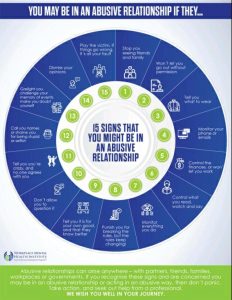
✍️ Few Signs of Possessiveness:

  • Monitor your phone and emails.
  • Tell what to wear.
  • Text you nonstop.
  • Control you and rob your privacy.
  • Gaslight you.
  • Stop you talk to your friends.
  • They will be jealous
  • In the name of protection, they will restrict you from being connected to the social network.

It is imperative to understand that the partner is possessive at early stage. Talk to them that it is not good for the relationship. It will ruin the happiness in between them. It will affect physically, mentally and emotionally.

It will reduce the self-esteem, confidence, trust.

Possessiveness is not love, it is simply projected fear and insecurity.

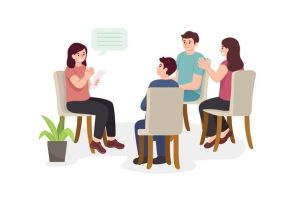
Either, they can sit and talk about this to overcome this issue. Else, they need strong support from a Psychological Consultant.

Some may ask, how come a third person can help them in such issues. It is similar to a patient approaches doctors for their health issues.

Licensed or Authorized and Competent #Psychologists, #Therapists, #Relationship #healers can certainly help them when they themselves are unable to deal with this problem.

✍️ How to deal the possessive partner?

  • Love them and give little extra care
  • Listen to what they say and address the problem
  • When they want to talk to you, be available for them.
  • Communicate properly and set proper, realistic goals.
  • Don’t argue or justify for what you have done.

Appreciating your comments on this topic.

Disclaimer: Image source – Workplace Mental Health Institute. With gratitude, sharing the image for knowledge sharing.

In Gratitude,

N.R.Rakesh Babu
Psychologist | Doctoral Researcher
www.rakeshbabu.com | www.rbac.in

World Brain Day | July 22 | Theme of the Year – “Brain Health For All”

The most fascinating organ in our body is Brain. Most of my articles hovered over BRAIN. It’s “World Brain Day – July 22”. The World Federation of Neurology has declared July 22 as World Brain Day with a bid to increase public awareness and promote advocacy related to brain health.

Theme of this year is “Brain Health For All”. A much needed theme. Not only in the perspectives of the medical importance, but also in the psychological aspect. Actually, it is a resilient year for every one of us after pandemic, a threatening war between Ukraine and Russia, more disease threats and economic imbalances in the World.

To cope with the situation better for the peaceful life is to understand our Brain, it will be easy to handle ourselves better.

According to World Health Organization, Good brain health is a state in which every individual can realize their own abilities and optimize their cognitive, emotional, psychological and behavioral functioning to cope with life situations.

  1. Awareness: Both physiological and psychological significances to be educated and for that more awareness campaigns to be executed.
  2. Resource & Access: Ready reckoners and easily available resources, easy access to rehabilitation and treatment.
  3. Educate: As I mentioned above, education sector should take more care on this. Include scholarly articles, recent researches and updates on Brain in schools and colleges.
  4. Humanity: For optimal Brain Health, more hands to be joined globally.
  5. Prevention: In a recent seminar that I have attended on “Substance Abuse and Brain Damage”, the resource person from India’s renowned Mental Health Organization thrown a light on the mix. He said, many Brain diseases are preventable. Prevention is Better Than Cure.
  6. Feed The Needy: Malnutrition is another alarming area to be looked upon. Multiple sclerosis, Parkinson’s disease, neuroinfections, brain tumors, traumatic injury and neurological disorders are resulting from malnutrition

By dragging attention to this complex organ will emphasize the significance of brain and its vital role in controlling all aspects of collective human life.

Let’s inspire with our action and we can achieve Brain Health for All.

Wishing healthy and peaceful life to everyone!

Disclaimer: Credits to World Federation of Neurology for this wonderful initiative. The image and technically necessary points have been taken from their campaign. The intention is just to promote the awareness about this Special Day. Whole credits to them.

In Gratitude,

N.R.Rakesh Babu
Psychologist | Doctoral Researcher
www.rakeshbabu.com | www.rbac.in

“KARMAYOGA” – Youth Leadership Training Program

Rakesh Babu

The Art Of Living International Presents,

“KARMAYOGA” – Youth Leadership Training Program (Online)

To Register for the upcoming YLTP, Click the link: aolt.in/590802

Psychologist Rakesh Babu

The Art of Living has made Youth Leadership Training Program (YLTP) its vehicle for this transformation, resulting in efficient and effective delivery of its projects. Motivated youth are selected from the local communities and trained appropriately.

The YLTP focusses on personal development and communication skills. Through stress-reducing breathing techniques, individuals find inner peace and communities to come together in a spirit of service. Participants are inspired to volunteer for rural projects. The fruits of the seeds sown in these sessions are experienced by the community as a whole.

YLTP trained youth act as change agents in their local communities. Starting in 1999, The Art Of Living has trained over 203,000 youth so far as a part of the YLTP model.

TESTIMONIALS: Click Here to watch: https://www.youtube.com/watch?v=p-b8Lwe_-cA

Learn Sudarshan Kriya, a powerful breathing technique driving our volunteer community with vitality and focus.

Positive Impact in Society:

  • Trained over 2,03,220 rural youth
  • Reached 40,212 villages in India
  • 55 model villages (in progress)
  • Planted over 2.3 million trees
  • 2138 homes, 16,550 toilets, 1152 bore-wells and 904 biogas plants built
  • 49,500 hygiene camps and 25,950 medical camps conducted benefiting 5.6 million people

Note: This Article has taken from The Art Of Living’s website for course promoting purpose!

For more details about AOL’s programs, Visit: https://www.artofliving.org/

To Register for the upcoming YLTP, Click the link: aolt.in/590802

For More details call us at: 9444551388