Possessiveness – A Poison Of The Mind

#Possessiveness is a #Poison of the #Mind!
It is not just poison, it is a #pain too. Experts says that Possessiveness is due to unrealistic expectations.

This happens with people, money, things etc., It becomes danger when it crosses the boundary in relationships. Relationships may be between parents and children, life partners, friends, office colleagues. At some point, the “so called” CARE will change into “Over Protectiveness”. This will be a real torture to the partner.

Possessiveness is kind of a mental pressure that the person encounters and also radiate it to the counterparts. It is a fear of loss of belongings, persons etc., This creates fear, anger, anxiety and loneliness.

Trust is a vital aspect of a healthy relationship. In order to trust, you must feel your partner is reliable, cares about you, and can be counted on. You can see abusive relationship when the partner lose the trust. They feel insecured.

In the name of love and care, they do overprotection!
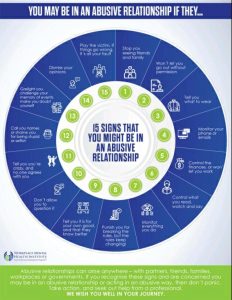
✍️ Few Signs of Possessiveness:

  • Monitor your phone and emails.
  • Tell what to wear.
  • Text you nonstop.
  • Control you and rob your privacy.
  • Gaslight you.
  • Stop you talk to your friends.
  • They will be jealous
  • In the name of protection, they will restrict you from being connected to the social network.

It is imperative to understand that the partner is possessive at early stage. Talk to them that it is not good for the relationship. It will ruin the happiness in between them. It will affect physically, mentally and emotionally.

It will reduce the self-esteem, confidence, trust.

Possessiveness is not love, it is simply projected fear and insecurity.

Either, they can sit and talk about this to overcome this issue. Else, they need strong support from a Psychological Consultant.

Some may ask, how come a third person can help them in such issues. It is similar to a patient approaches doctors for their health issues.

Licensed or Authorized and Competent #Psychologists, #Therapists, #Relationship #healers can certainly help them when they themselves are unable to deal with this problem.
✍️ How to deal the possessive partner?

  • Love them and give little extra care
  • Listen to what they say and address the problem
  • When they want to talk to you, be available for them.
  • Communicate properly and set proper, realistic goals.
  • Don’t argue or justify for what you have done.

Appreciating your comments on this topic.

Disclaimer: Image source – Workplace Mental Health Institute. With gratitude, sharing the image for knowledge sharing.

In Gratitude,

N.R.Rakesh Babu
Psychologist | Doctoral Researcher
www.rakeshbabu.com | www.rbac.in

Addiction Relapse is Ok!

Addiction Relapse is Ok! Don’t Isolate & corner them. Show some kindness!

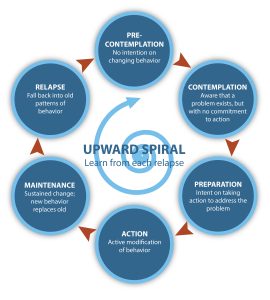
In the THE TRANSTHEORETICAL MODEL OF CHANGE, Relapse is one of the stages of intentional behavior change.

When it comes to substance addiction, many victims are very much aware that they are harming themselves. Out of which, a considerable percentage of people wish to come out of it. Very few seek support from family members. Most times, addicted people are taken to therapists/counselors or to rehabilitation centers.

Rather generalizing, it is seen that many are coming out of this issue and leading happy and peaceful life. Most of them fall into the stage called “RELAPSE”. Relapse is the resumption of substance use after an attempt to stop or period of abstinence. For example, someone who returns to drug use after months in rehab would be experiencing a relapse.

I would like to highlight this stage “Relapse” in this article. It is Ok to fall in relapse stage. It will make them to understand the severity of the issue that has happened to them. In fact, the therapists can use this situation positively to help the clients. When the client feels guilty, it is the best stage to re-iterate the importance of health (physical & mental), relationship, identity in society.

The reason for me to write this article is, I have seen a person who was in relapse stage and got rejected by therapist (so called), got stigmatized by family members, friends detached their company and this person had to encounter deep depression and the family lost a good human.

Love and compassion will certainly work in this situation. Rather stigmatizing, blaming and put them in a corner, if they are attended rightly by learned professional and kind-hearted people. They can come back to normal life. As shown in the picture, it is a cycle of change. Sometimes, two, three or more relapse may occur. However, if the victim is surrounded by a humanistic environment, there are lot of chances to bring back them to normalcy.

Point to be noted is, there may be situations where right treatment to be given and all stages of prevention methods to be introduced to avoid relapses. Family therapy to be given to people around the person. They should be properly educated about the consequences. CARE is more important. In the case of young adults, it is necessary to inculcate moral values. It is quite challenging during the treatment, however, it can also play a pivotal role in rehabilitation.

The ten processes of change include:

  1. Consciousness-raising (Get the facts) — increasing awareness via information, education, and personal feedback about the healthy behavior.
  2. Dramatic relief (Pay attention to feelings) — feeling fear, anxiety, or worry because of the unhealthy behavior, or feeling inspiration and hope when hearing about how people are able to change to healthy behaviors.
  3. Self-reevaluation (Create a new self-image) — realizing that the healthy behavior is an important part of who they want to be.
  4. Environmental reevaluation (Notice your effect on others) — realizing how their unhealthy behavior affects others and how they could have more positive effects by changing.
  5. Social liberation (Notice public support) — realizing that society is supportive of the healthy behavior.
  6. Self-liberation (Make a commitment) — believing in one’s ability to change and making commitments and re-commitments to act on that belief.
  7. Helping relationships (Get support) — finding people who are supportive of their change.
  8. Counterconditioning (Use substitutes) — substituting healthy ways of acting and thinking for unhealthy ways.
  9. Reinforcement management (Use rewards) — increasing the rewards that come from positive behavior and reducing those that come from negative behavior.
  10. Stimulus control (Manage your environment) — using reminders and cues that encourage healthy behavior and avoiding places that don’t.

Psychologist or community care workers should help Addicts who are in relapse stage with love & compassion which can heal them emotionally, mentally & physically! Let’s live with love and humanity. Love moves the world.

Disclaimer: The pictures attached in this article are taken from different sources in websites. Credits to the original creators. Special thanks to wikipedia.

Sources: wikipedia, google scholar, wellness blogs, science direct and rural health

In Gratitude,

N.R.Rakesh Babu
Psychologist | Doctoral Researcher
www.rakeshbabu.com | www.rbac.in
Peace Of Mind Matters!

Peace Of Mind Matters!

It is up to us to start the day with the desired emotions and mindset!

Zigs – Zags will be there. However, if we decide to make it enjoyable, then the journey will be #fun. If we feel it as trouble, then we may end up in worries.
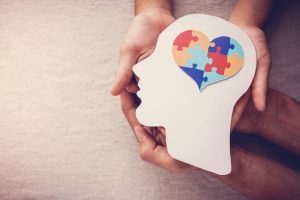
What makes a person #happy? It’s their own mindset! We know this better. Sometimes, some turbulences pass through us and these motivating mindset or attitude may get affected. The one who can withstand that with “Let Go” attitude can live peacefully. This is what we say, “Live in the present”.

Think about the output. What kind of output you need. Is it a happier one or #worrisome one? Accordingly, make yourself engaged in the present moment. This is “Mindful Thinking” or “Mindful Doing”.

When Mind Is FULL, there is no Mindfulness. Think! What actually you want – MindFull or Mindful? When we do it mindfully, with awareness, with alertness, we will be safe. Be a #Meraki.

How to become aware of such turbulence which passes through?

Learn and Practice:

1. Breathing Exercises

2. Meditation

3. Yogasanas/Other Physical Exercises

4. Eat healthy balanced food

5. Take Enough Rest.

It will keep oneself aware and alert. Thus we can be more mindful.

Mental wellness is more important or equally important as physical well-being. An equilibrium of both can give the actual happiness that a person desire and deserve.

Let’s live happily and mindfully!


In Gratitude,
N.R.Rakesh Babu
Psychologist | PhD Research Scholar
www.rakeshbabu.com | www.rbac.in